Thoughts

How children learn, and how we build for it

Short essays from the workbench — on teaching, textbooks, marks, and what we are building instead. Written for parents; no jargon, no sales pitch.

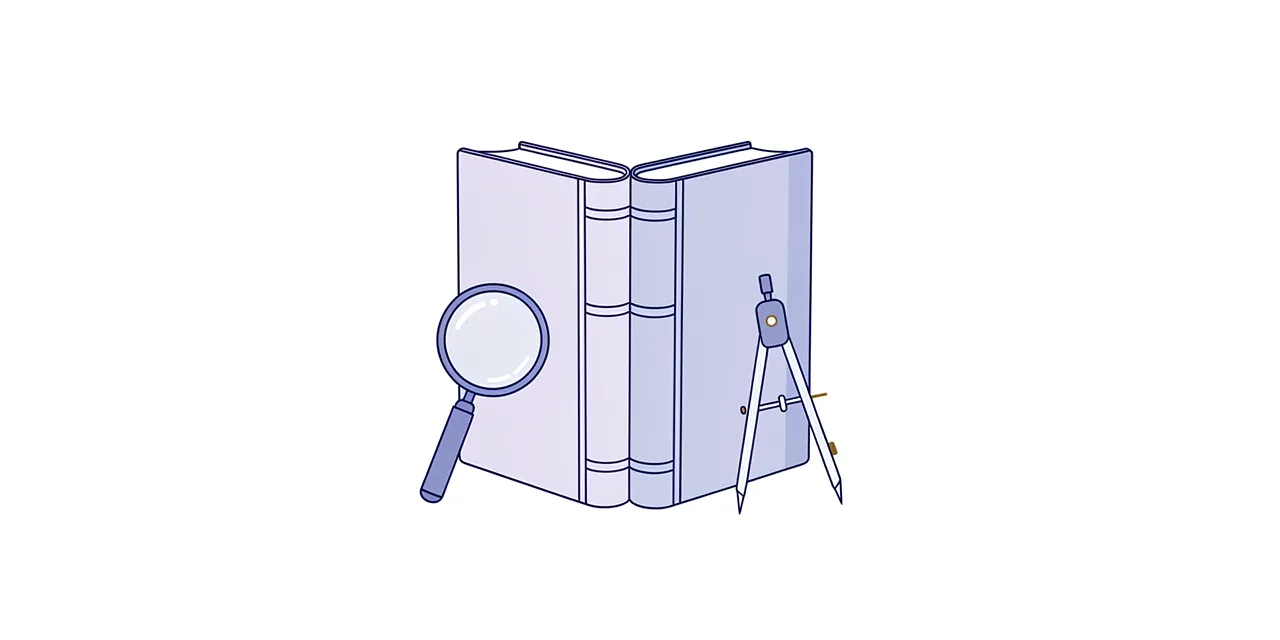
two books standing side by side, a magnifying glass leaning on one and a drawing compass on the other

8 August 2026 · 5 min read

Same knowledge, different bets

Two books on the same subject, both accurate, both well made — and one still doesn’t work for your child. A book’s quality isn’t one bar to clear, it’s a bet on where to be the best.

Read the essay →
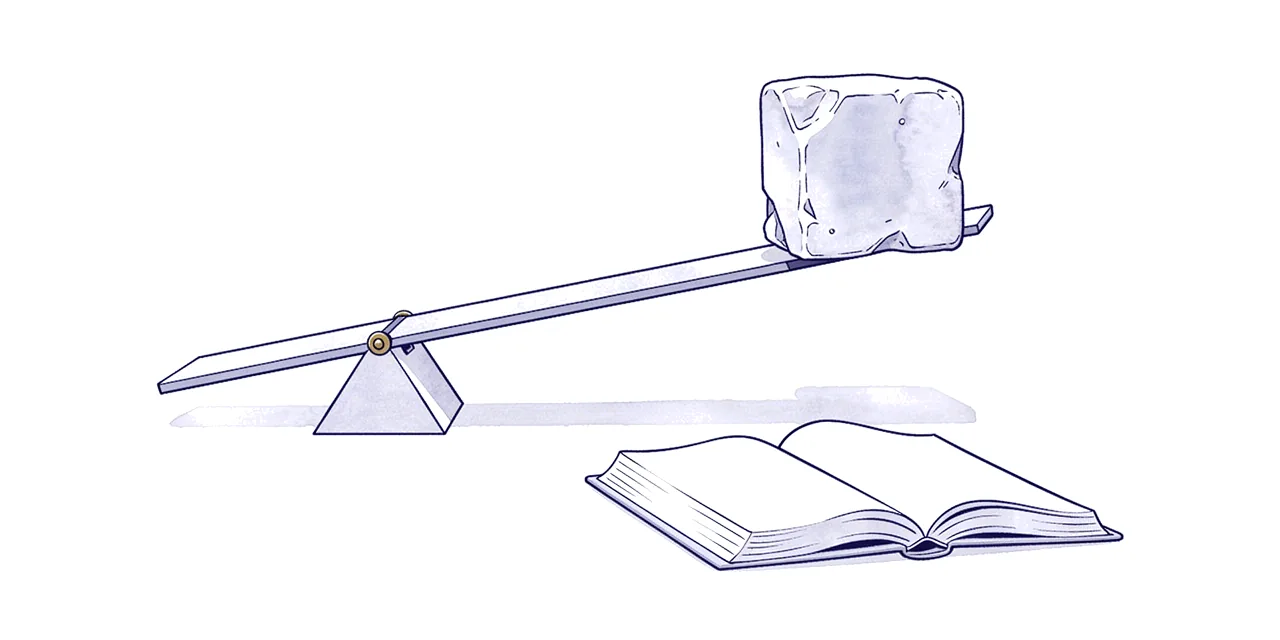
a plank lever on a small fulcrum lifting a stone block, an open book below

8 August 2026 · 4 min read

Knowledge as leverage

Critical thinking gets called a Western import; ancient India gets inflated into flying machines and lost technology. Both mistakes treat knowledge as something to revere. It was always meant to be used.

Read the essay →
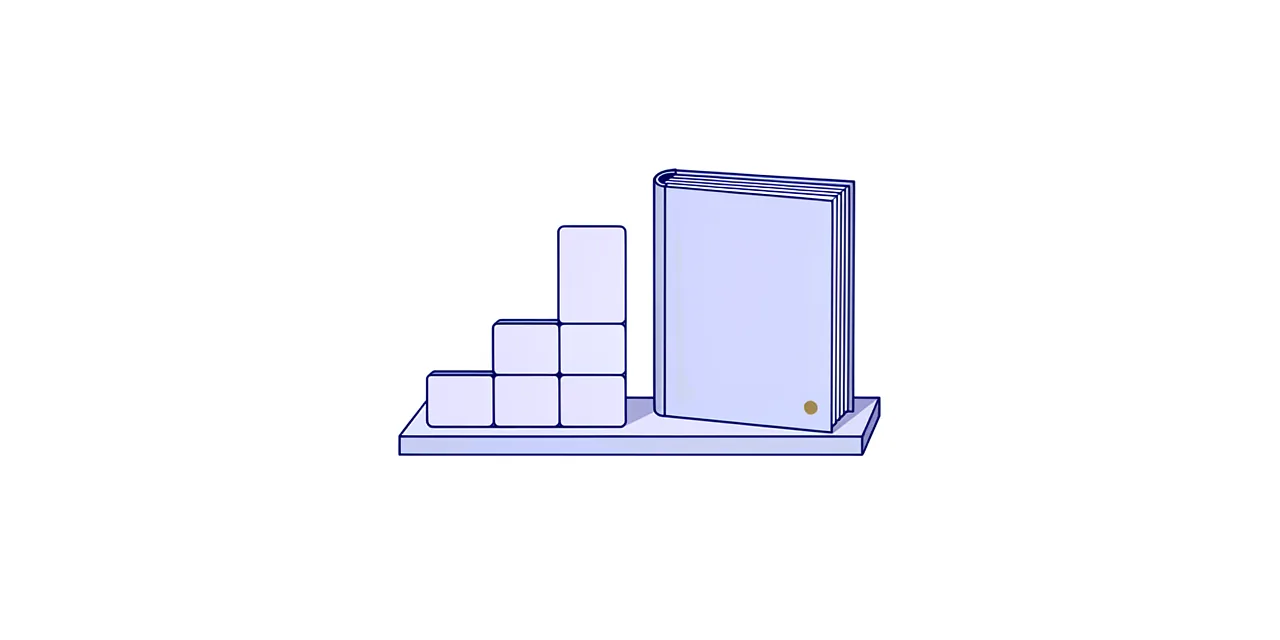
a few blocks stepped like a short staircase on a flat base, beside a closed book

8 August 2026 · 4 min read

The feed that ends

The hardest page in any book is the one where you decide to open it. A feed skips that decision — but only if it does the one thing every other feed refuses: stop.

Read the essay →
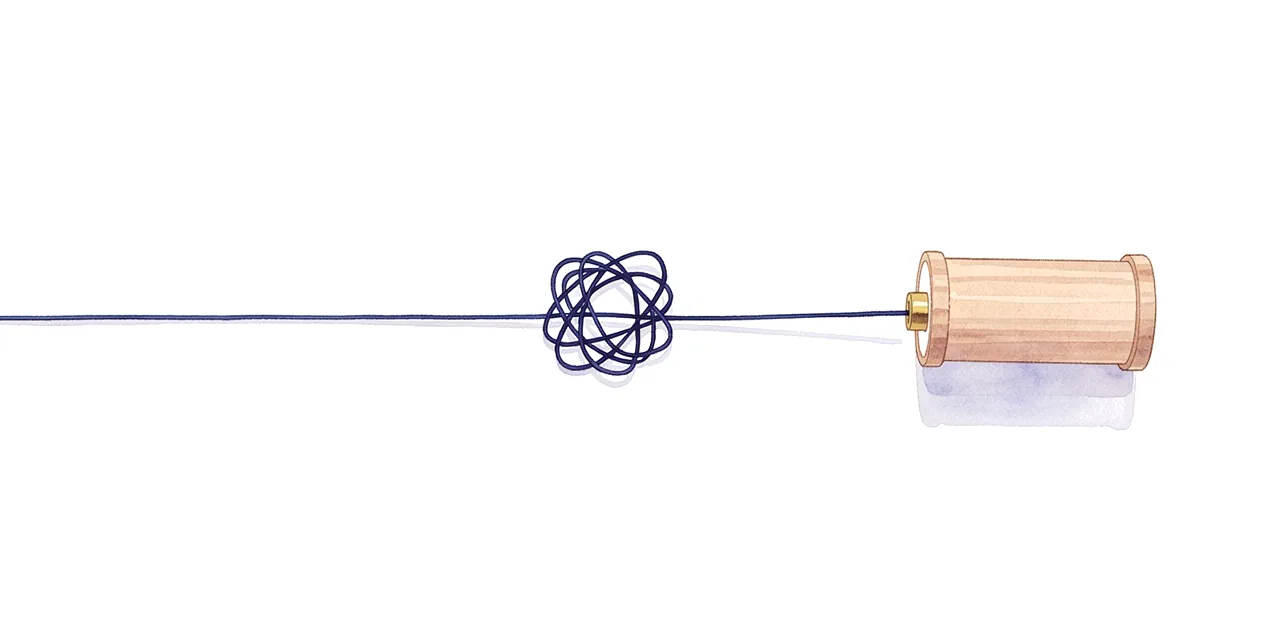
a tangled knot in a thread that runs on straight to a wooden spool

27 July 2026 · 5 min read

Great teachers teach the mistake

What actually separates a great teacher from a good one is craft, not charisma — and the heart of the craft is teaching against the wrong idea already in the child’s head.

Read the essay →
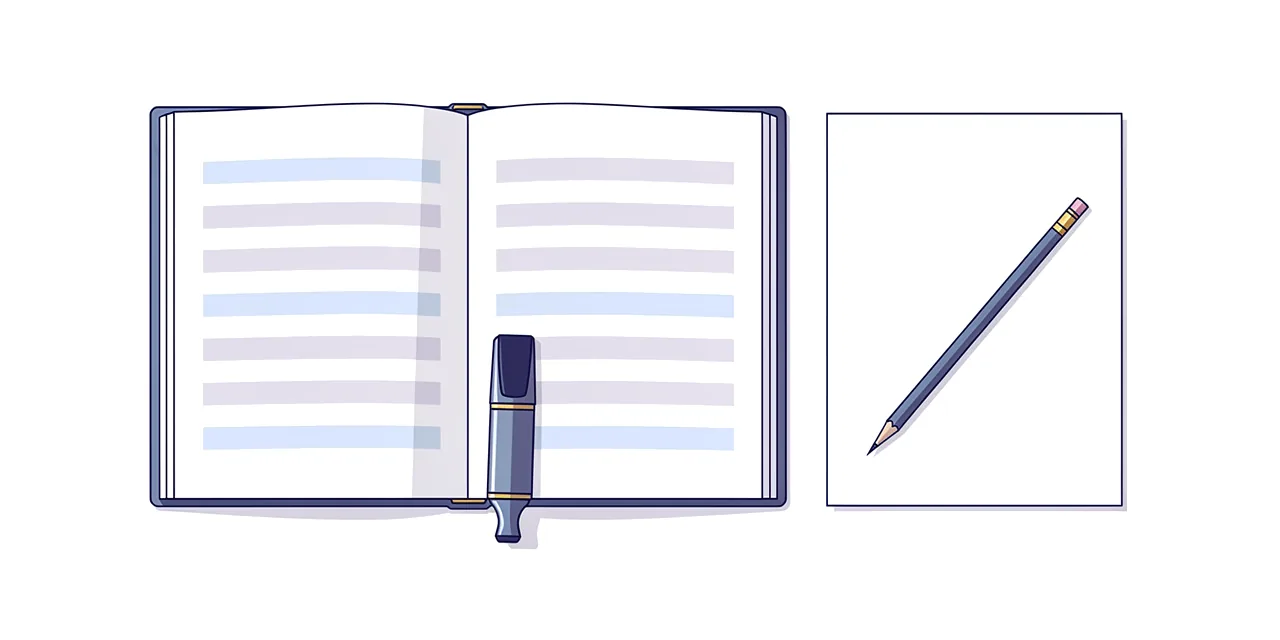
an open book striped with highlighter and a highlighter pen, beside a blank sheet and a pencil

27 July 2026 · 5 min read

The hours that don’t stick

Your child studied all week — reread, highlighted, made beautiful notes — and the marks didn’t come. The problem isn’t effort. It’s that smooth studying doesn’t stick.

Read the essay →
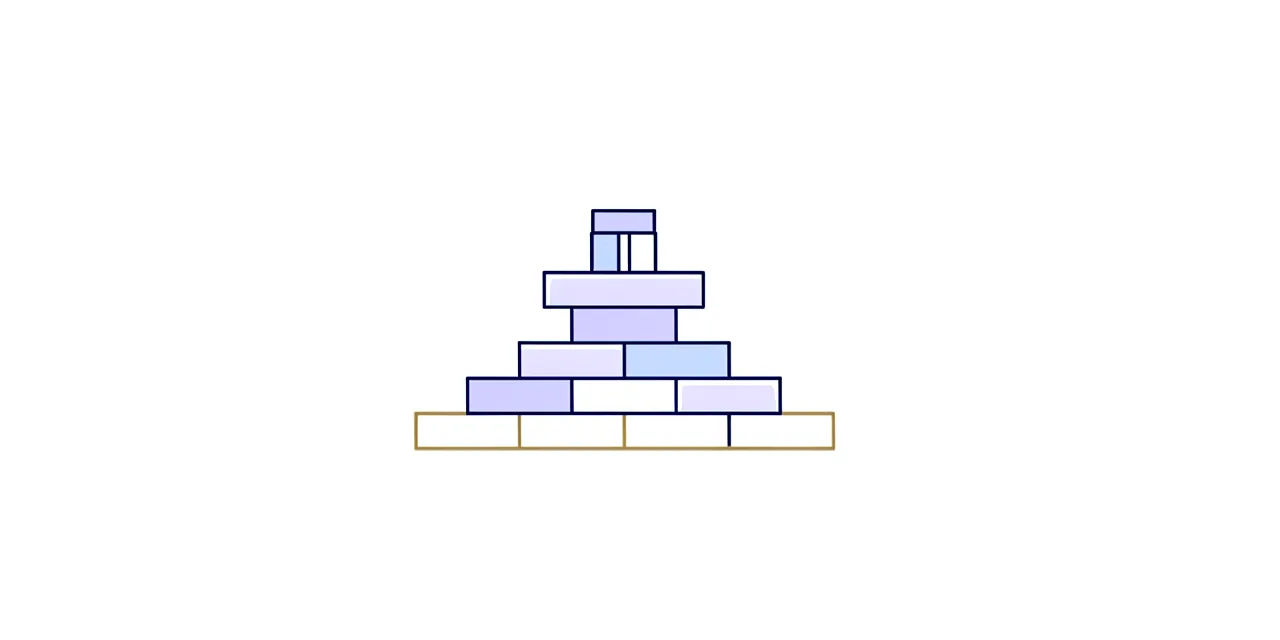
a small tower of blocks standing on a wide foundation row outlined in gold

27 July 2026 · 4 min read

The skills nobody teaches

Half of “weak in science” is really “no one ever taught them to read a graph.” Every textbook leans on a floor of skills that no chapter anywhere teaches.

Read the essay →
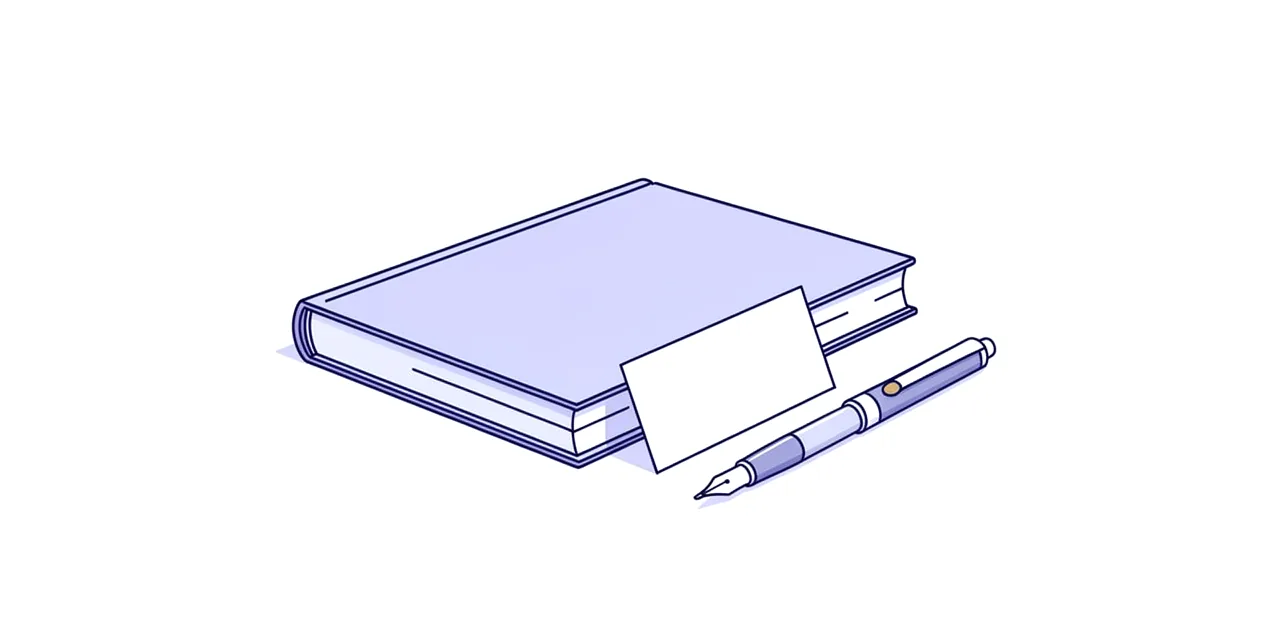
a closed book with a blank card propped against it and a fountain pen alongside

27 July 2026 · 5 min read

Who wrote this book

The author on our covers shares a surname with no family behind it — on purpose, and we say so on the book itself. The pen-name system, explained plainly.

Read the essay →
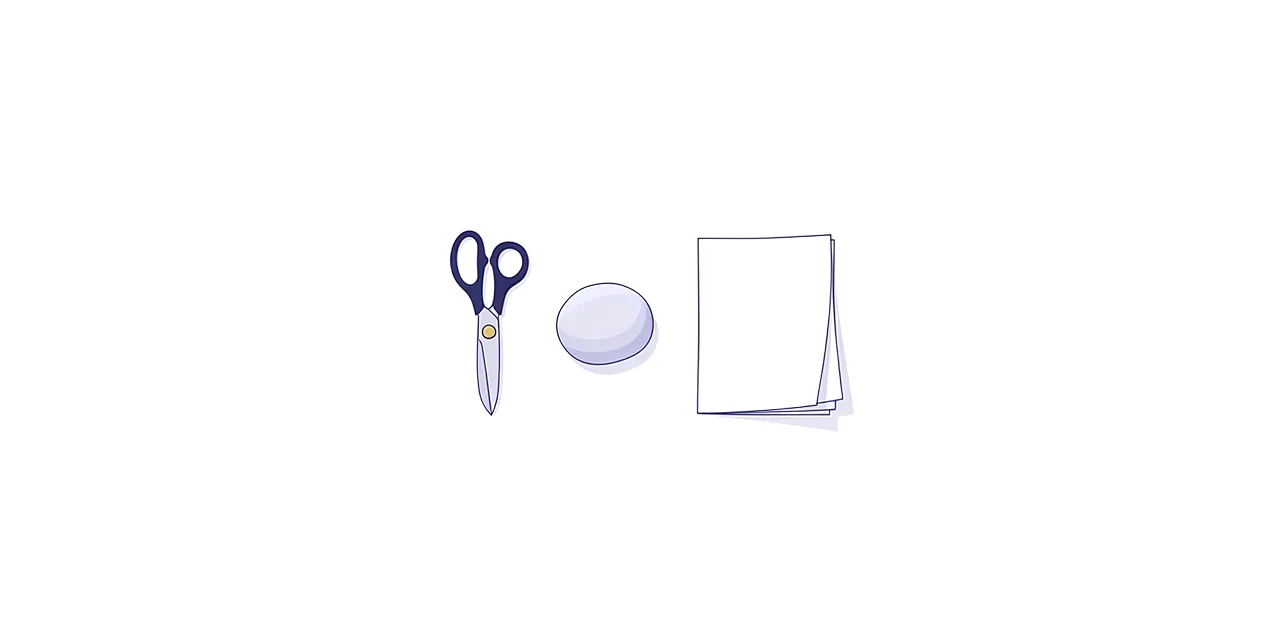
a pair of scissors, a smooth stone and a sheet of paper in a row

27 July 2026 · 5 min read

Familiar to whom?

Every reviewer — human and AI — waved the line through: “Rock-Paper-Scissors, universally familiar.” They were all wrong, and the way they were wrong is why we write for one named child.

Read the essay →
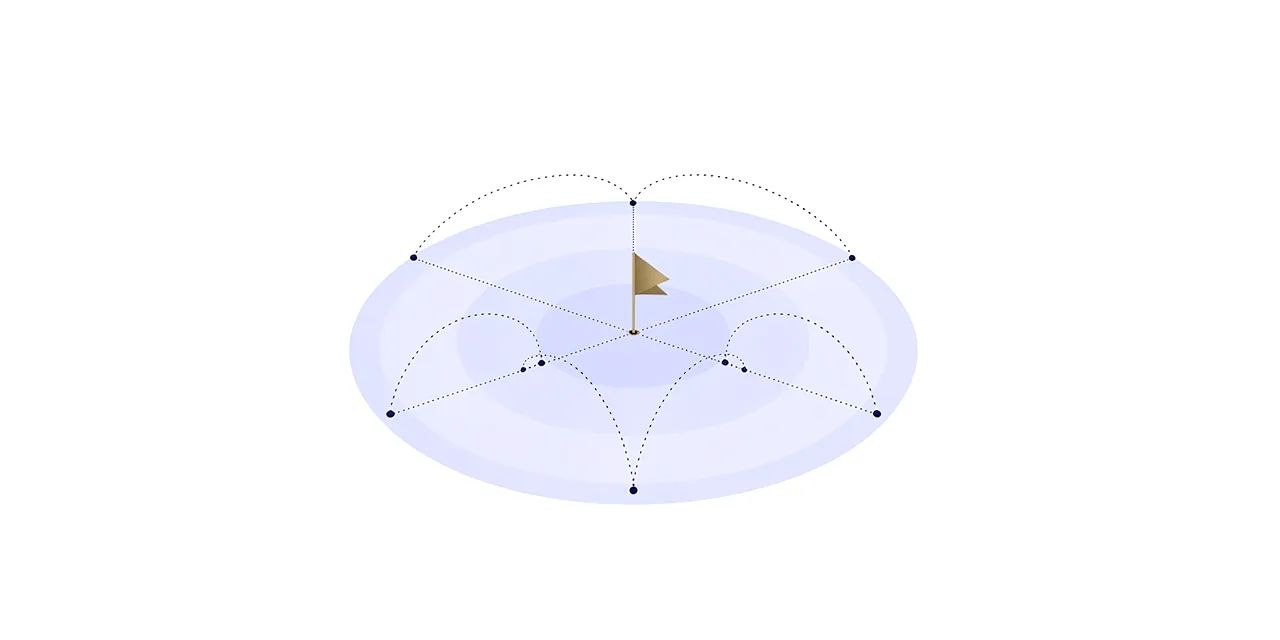
dotted paths from points around a pale blue patch of ground, all meeting at one small gold flag in its centre

27 July 2026 · 4 min read

What a right answer proves

A child can get a question right for five different reasons, and they are not the same achievement. Marks count the ticks; understanding asks what the answer shows.

Read the essay →
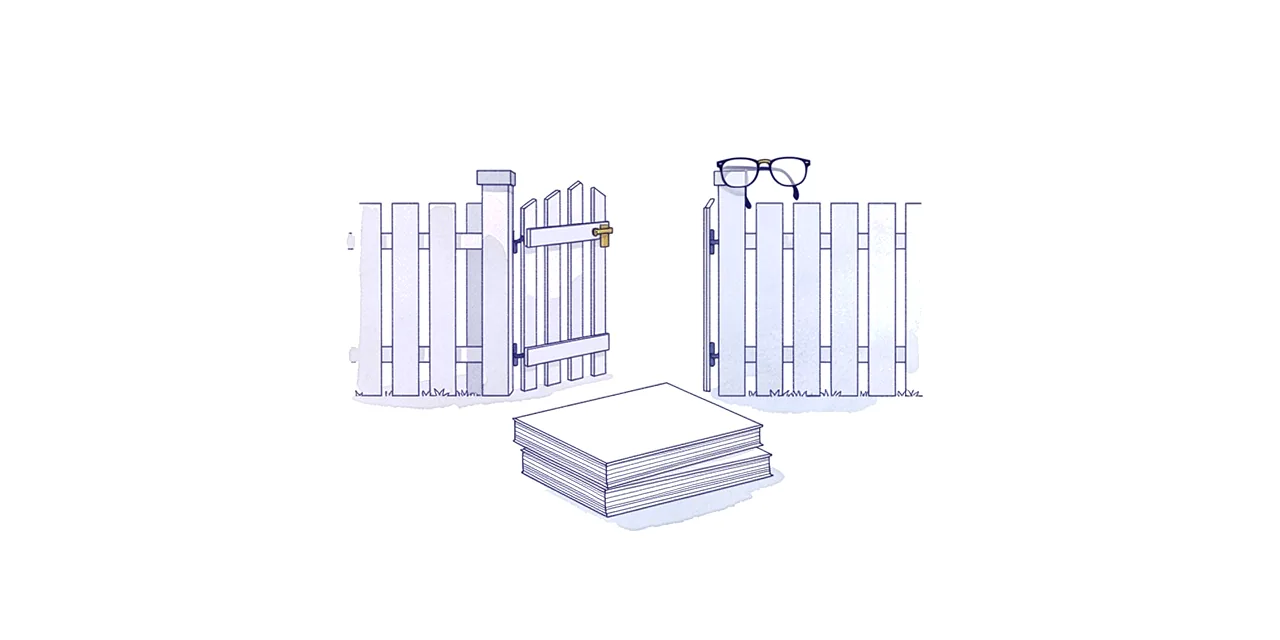
an open gate in a white picket fence, reading glasses on a post and a stack of blank pages on the ground

17 June 2026 · 5 min read

Where the expert went

If a machine can draft the pages, what is the author still for? The two jobs that didn’t get cheap — and why the expert moved from the first word to the gate.

Read the essay →